 mundyewalsh
 The Creative Women interview series chats to women in creative fields, and explores what is at the root of their artistic drive. Creative thinking is fundamental for a fulfilled life, and so understanding and cultivating it through shared experiences, challenges and achievements helps us all thrive.
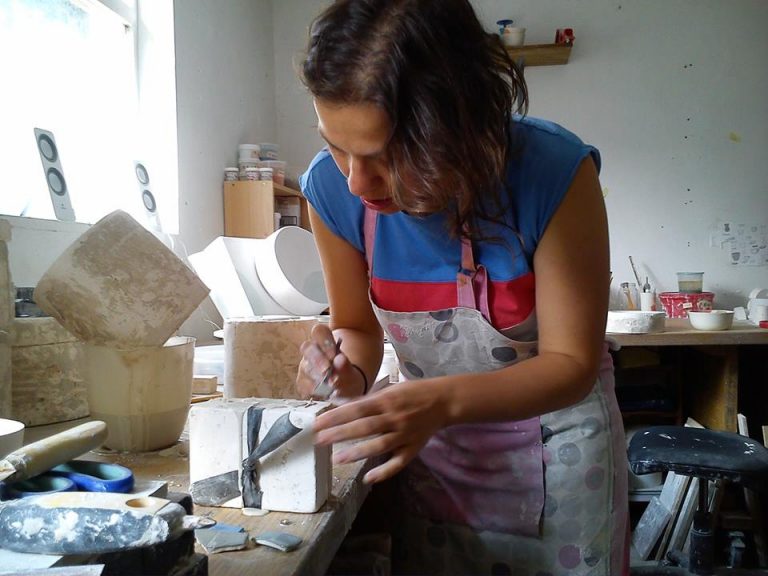
Adele Stanley is a ceramic artist based in rural county Waterford. Adele studied ceramics at the National College of Art and Design in Dublin and the Cardiff School of Art and Design in Wales. She makes functional ware and sculptural objects; she also teaches classes and takes part in educational projects.
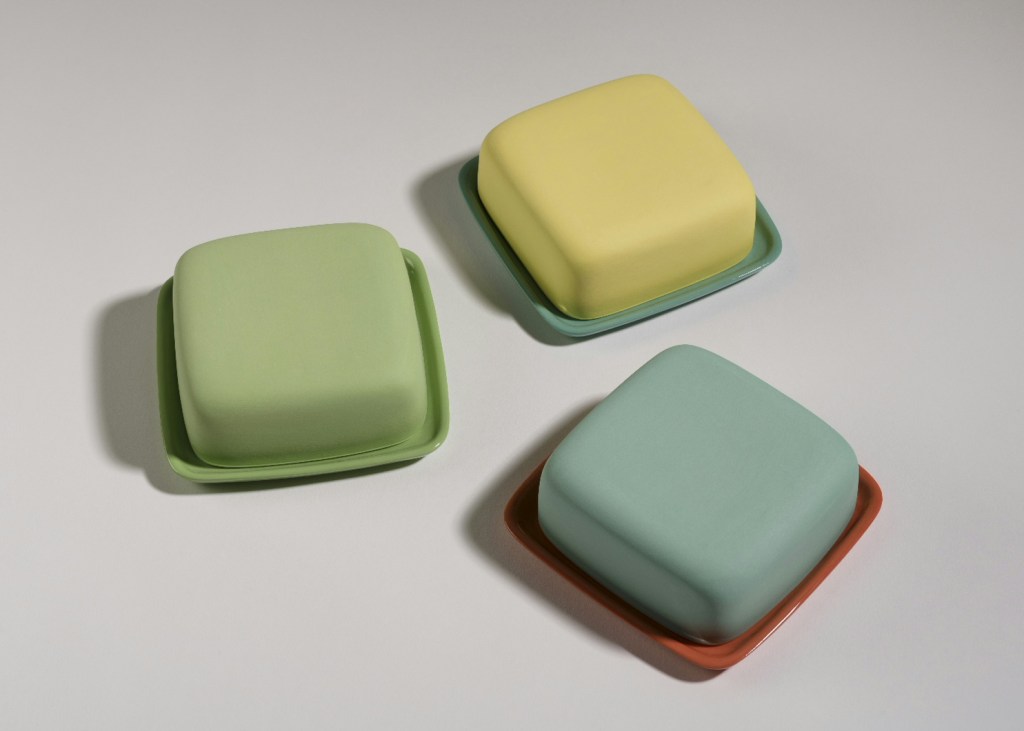
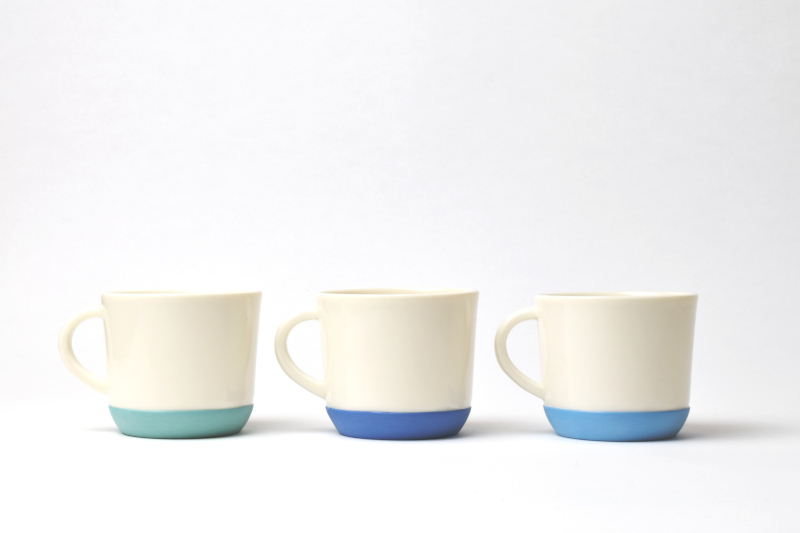
Adele makes a range of functional porcelain objects that are inspired by simplicity of form, clean lines, and bright colour. She strives to make useful, simple objects that people can enjoy and use every day. The forms are slip cast using liquid porcelain, and once dried and finished, are painted with layers of coloured slips to create vivid surfaces. The coloured clay is sanded and left unglazed, enhancing its tactile quality and is contrasted with shiny glazed surfaces. The pieces are fine and light but also robust and durable.
How did you get started and what continues to inspire you about your craft?
I went to art college after school; I did my degree and masters in ceramics. I was making sculptural work at that time. After my masters I focused on my practice full time, making sculptural work initially and gradually experimenting with function. Over the years I have developed my skills making functional ceramics and still now, I am learning, developing and refining all the time.
What is your process from ideation to finished product?
My work is informed by form, line, colour and function. The aim is to make minimal forms that are a pleasure to use and to bring a vibrancy and playfulness to the pieces with bright colour.
My process begins with an idea of something to use. I will do some drawings first and then make a model and mould in plaster. The object is cast in porcelain and to get a rich, vibrant colour, I paint layers of coloured slip on the dry ware. I then sand each piece to a get a smooth texture. The unglazed, coloured surfaces are contrasted with a high gloss, clear glaze on the inside of the pieces and the creamy white of the porcelain. The smooth matt finish gives the pieces a tactile quality.
How do you maintain resilience during difficult periods? What has been your greatest obstacle so far and how did you manage/overcome it?
I try to learn from my mistakes and setbacks. Every part of the process has to be done right to get a successful piece out of the kiln at the end and even after years of practice I make mistakes. This can be disappointing and frustrating but I just have to remind myself that these things happen and to do my best not to make the same mistakes in the future.
When you work for yourself it can be difficult to find the time to do everything and I am not a naturally organised person. I have worked on and improved these skills over the years and when I do get overwhelmed I try to remember that I am very fortunate to have the opportunity to do what I love every day.
.
.
.
Read the full interview on Creativity Through a Female Lens on Substack.
You don’t need a Substack account to read the articles and interviews. If you subscribe (free) and support my work, you’ll receive everything by email as soon as it’s published.
